
News
Welcome to APEM’s newsroom – your gateway to all the latest updates from our world of Human-Machine Interfaces. Whether it’s product launches, deep dives into advanced technologies, insights into evolving market trends, or answers to frequently asked questions, this space is designed to keep you informed and inspired.
Featured Posts
APEM News
Filter
Sort
 NewsRead More
PRODUCT
30/05/2024
Night vision: how do these devices and technologies work?
In poor lighting conditions, our eyes struggle to distinguish details, making it difficult for us to see what’s around us. This challenge is even greater when we are tired or stressed, as our vision becomes even less reliable.
 NewsRead More
PRODUCT
15/05/2024
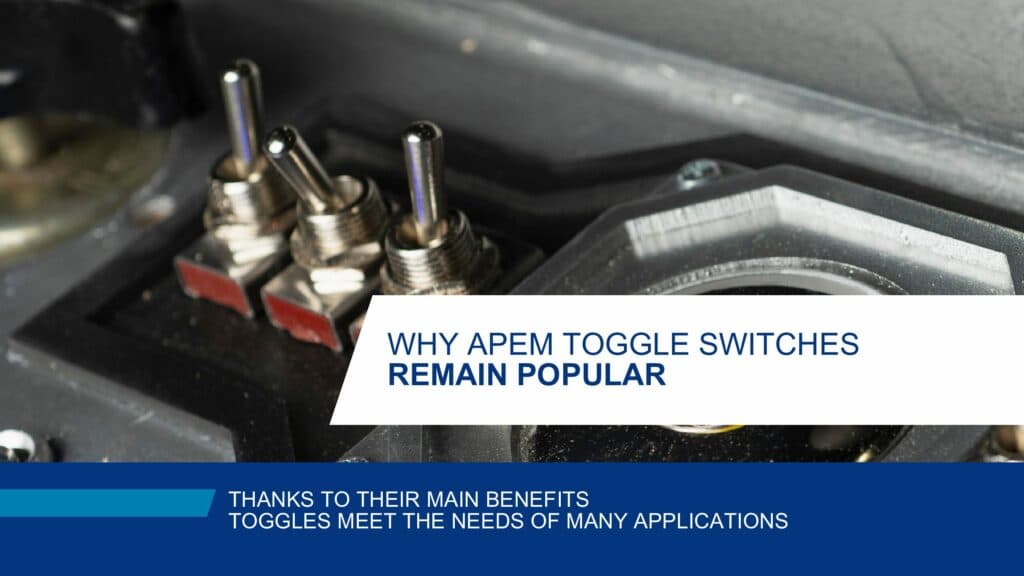
Why are toggle switches still being used in many applications?
What are the most common applications for toggles? Speaking of versatility, our team of experts has provided a single solution to meet the needs of vastly different applications : Control panels Belly boxes Crane operator control panels Remote controls Construction equipment Material handling machinery… …and many more At the beginning of the 20th century, many innovations related to electricity were patented due to the rapid development in this field. In 1916, toggle switches were created. The success of this product led to further innovations and in the 1950’s, APEM was created thanks to a specific patent to improve the life expectancy of toggle switches. A success that has not been forgotten, toggle switches remain as one of our most popular product lines today! For low intensity applications, we have the PCB-mounted toggle switches which is in a smaller format. They are also a wise choice when your control panel requires many switches to control electronics. Installation with the circuit board simplifies assembly and improves safety, as there is only one connector to plug in. PCB switches are often more compact than panel switches, making them an excellent choice when space is limited. This human-machine interface uses a mechanical lever or handle mechanism to activate the switch. They can have two to three positions. The latching version gives the operator an easy visual indication of the switch’s status, providing additional safety. With these various features, toggle switches are very popular products offering several benefits to their users. Discover our range of toggle switches : 5000 series CT series 600series CT flat case series 12000 series 3500 series What are the different types of toggle switches? At APEM, we offer various types of toggles. Our most common form of this is the toggle switch panel . With this, several options can be integrated, such as: 3 or 4 positions, momentary or alternate – your switch can be held down or return to its original state after being released – and protected by our guards or sealing boots accessories. Thanks to numerous rating, sealing, and lever finish options, APEM provides robust toggles for any application and offers the reliability of worldwide recognized certifications such as CECC, UL, CSA, VDE, NF. Interestingly, this solution has transcended its usual function to become a decorative object, particularly sought after for industrial design enthusiasts looking to infuse their homes with a touch of style. Fun fact: they became very popular on platforms like Pinterest during the COVID-19 crisis, showcasing their enduring appeal and versatility. Why are we still using toggle switches? Why are they so popular? To be indispensable in various applications, APEM toggles offer many advantages to meet different needs. One of these is the clear command status when the lever is tilted to one side or the other. This allows the operator to immediately check the toggle position at a glance without effort. In addition, their ergonomic design can be tailored to provide a seamless user experience, enabling blind operation with ease. With a plethora of safety options such as lockers and switch guards, toggles ensure secure operation, especially in critical and hazardous environments. Above all, knowing their long lifespan and watertight contacts, their reliability and robustness are unmatched, making them the ideal solution for outdoor use.
 NewsRead More
PRODUCT
02/05/2024
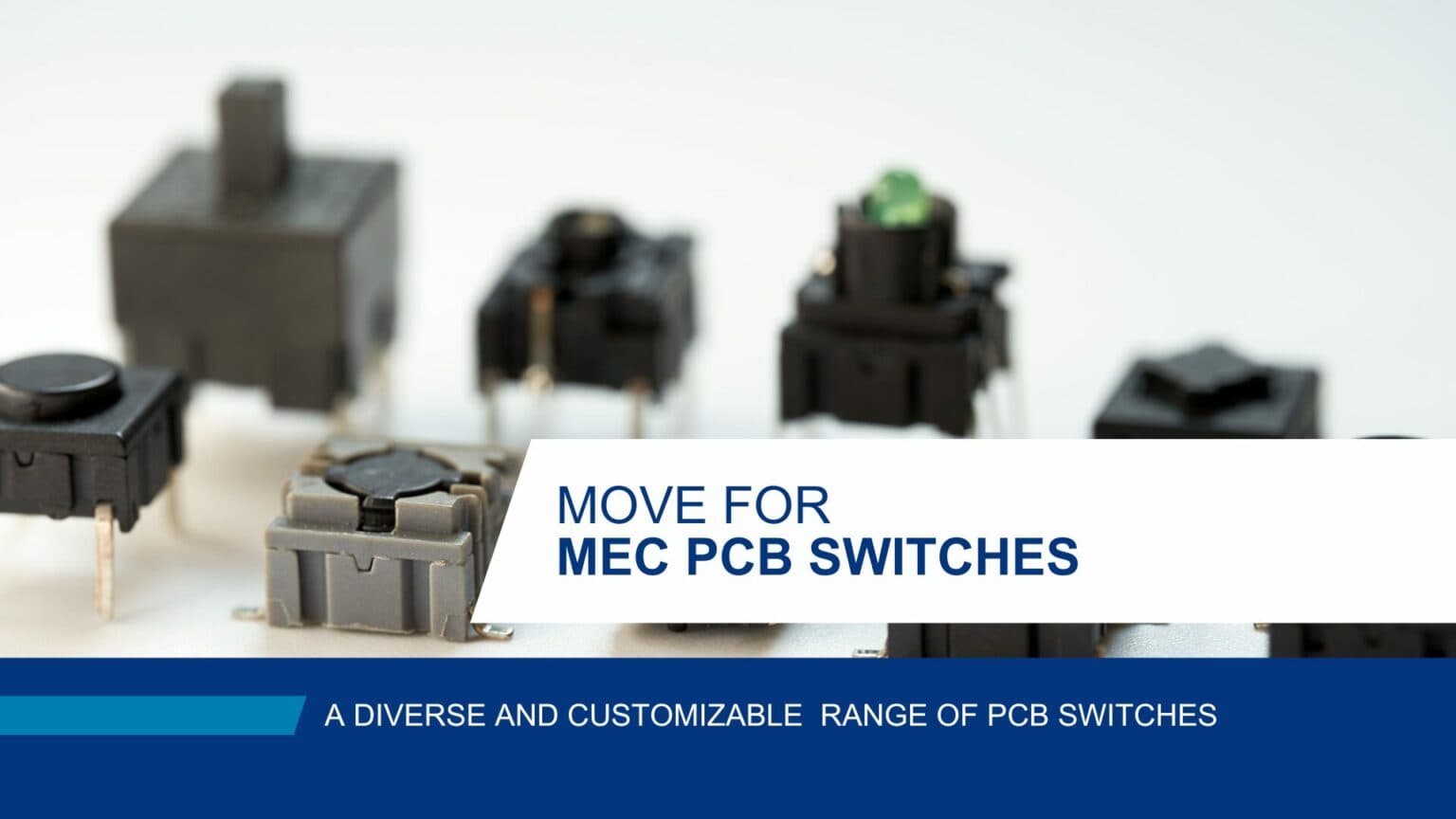
Are you working on a new project, or looking to replace one of those low value tactile pushbuttons that are simply not working for long enough, are proving to be too unreliable or don’t have the haptic or the illumination you need? You definitely should have a look at our MEC range!
 NewsRead More
TREND
09/04/2024
Complete guide to control panels design strategies and environmental protection
Industrial control panels play an important role in vehicles and machines in the agriculture , construction and medical fields . However, these interfaces are exposed to a wide range of environmental challenges that can impact their functionality, longevity and safety. Understanding these challenges is crucial when designing resilient and reliable control panels.
 NewsRead More
PRODUCT
08/04/2024
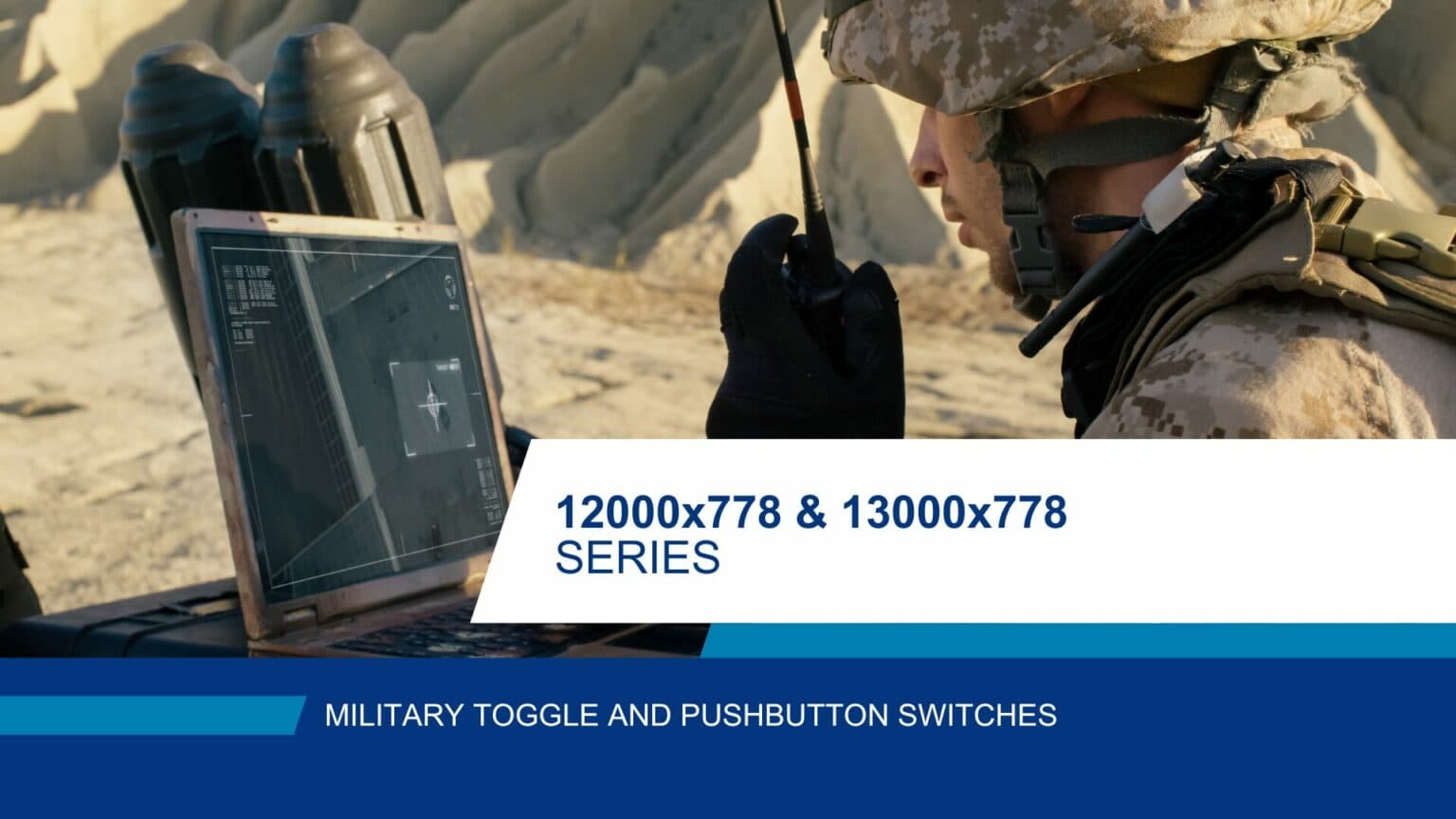
Toggle and pushbutton switches certified for tough military operations
In the military sector, each component matters, and reliability is crucial. Certified toggle switches and pushbuttons play an important role in ensuring reliable performance in the most demanding environments. These solutions not only meet the strictest quality standards but also offer the durability and robustness required in the most critical military applications.
 NewsRead More
COMPANY
29/03/2024
Automatic warehouse and mobile robotics: ez-Wheel changes the game
The ez-Wheel product offering can be divided into two main parts: Assistance to manual handling : their Assist Wheel Drive solution provides a quick electric assistance to any manual handling equipment. ez-Wheel developed a revolutionary electric wheel that integrates a motor, batteries, and electronics directly within the wheel itself. This technology not only addresses significant challenges for both employees and companies by reducing professional risks like Musculoskeletal disorders, but also offers substantial benefits including a reduction in sick leave, a productivity boost of up to 50%, the ability to double the load with only a fifth of the effort, and a return on investment in under a year. The integration of ez-Wheel within our group is a testament to the potential of collaborative innovation in addressing the challenges of modern technology. It is a forward-looking initiative that promises to enhance the operational capabilities of companies across various sectors, paving the way for a future where automation and human labor are more harmoniously and productively connected. As we look ahead, this alliance is poised to play a crucial role in shaping the trajectory of mobile robotics, resulting in the growth and evolution of industries worldwide. ez-Wheel products are marketed by APEM in the EMEA region. Outside this area, please visit idec.com for more information. Automation of intralogistics: their SWD® safety wheel drives provide a simple, versatile, and safety-compliant technological brick for system integrators and AGV manufacturers. The introduction of the SWD range marks a significant innovation in the field. These products integrate essential functions for mobile robotics, thereby simplifying safety compliance with the ISO3691-4 standard and offering unparalleled integration that notably reduces production and development costs for AGVs and AMRs. The SWD range is not just a technological advancement; it is a game-changer that reduces time to market and simplifies the architecture of mobile robots by up to 50%. It is expected to enhance this growth further by making the design and implementation of AMRs more cost-effective and time-efficient, all while ensuring safe and harmonious interactions between machines and humans. ez-Wheel benefits from IDEC and APEM’s industrial competencies, extensive sales network, and extensive expertise in functional safety. In an era marked by rapid technological advancement and shifting workforce demographics, the acquisition of ez-Wheel in 2023 emerges as a pivotal development that is poised to redefine the landscape of mobile robotics. ez-Wheel’s entry into the APEM / IDEC family symbolizes a forward-thinking approach to integrating safety solutions within the burgeoning market of Automated Guided Vehicles (AGVs) and Autonomous Mobile Robots (AMRs). This acquisition is a response to a world where automation is rapidly accelerating at an unprecedented pace. As industries grapple with an aging workforce and labor shortages, the reliance on AGVs and AMRs is becoming increasingly prevalent. These technologies promise to alleviate such pressures by enhancing productivity and operational flexibility. In 2023, the IDEC Group, of which APEM is part of, acquired the French start-up ez-Wheel, specialized in motorized systems for industrial mobility. This integration has expanded our product portfolio, and we are now able to offer our customers the ez-Wheel range for assistance and automation of intralogistics resources.
 FAQRead More
FAQ
15/03/2024
How to protect your HMIs against sand, mud and dirt?
Human-machine interfaces (HMIs) are central to operating machinery. However, when working on construction sites , agricultural fields or military operations , it is crucial that your control panels are robust and sealed against environmental conditions, such as sand, mud, and dirt. This resistance is crucial to ensure durability, functionality and safety. Therefore, when choosing HMIs, you’ll face the question: How can I protect my HMIs effectively against corrosion from sand, mud and dirt? What damage can sand, mud and dirt cause to your HMI? Dust and sand particles are extremely small and don’t pose a serious threat at first. However, if millions of fine particles infiltrate the smallest cracks of your control panel, it will gradually block mechanisms and limit its functionality. The situation worsens when liquid mud flows through tiny cracks and connection points that are not fully sealed. When the mud dries up, it will get stuck, causing a complete shutdown of your controls in the worst case. Moreover, the necessity for frequent cleaning to eliminate accumulated dirt can accelerate corrosion even further. This illustrates another aspect of why choosing robust and highly qualitative HMIs is substantial in this context. IP67 vs. IP68 vs. IP69: What is the difference? The IP (Ingress Protection) rating is a standard that classifies the degrees of protection provided against the intrusion of solid objects, dust, accidental contact and water in electrical enclosures. IP67 indicates that the device is protected against dust ingress and can be submerged in water up to 1 meter for 30 minutes. This level of protection is common in devices that might be exposed to water occasionally but not under high pressure or for extended periods. IP68 builds on IP67 by offering a higher level of water protection. The specifics of IP68 can vary by manufacturer. The device can be submerged deeper than 1 meter, but the exact depth and duration are determined individually for each product. This rating is seen particularly in devices that are more rugged and water-resistant. IP69 provides further protection against close-range high-pressure, high-temperature spray downs. This level of protection is typically more relevant to industrial equipment or medical devices, which requires rigorous cleaning processes or extreme conditions. How do I design my HMI to resist environmental conditions? To achieve effective designs for your HMIs to combat sand, mud and dirt exposure, strategic considerations are essential. Especially in the agriculture and construction market, manufacturers are tailoring their HMI design to includes easy-to-clean interfaces that reduce downtime and intuitive controls that enhance usability, even for operators wearing gloves. Additionally, the interface must facilitate easy access for cleaning and repairs. Sealings and coatings offer robust protection. Special coatings are applied to rubber solutions, offering defense against UV light degradation, a common challenge in open-field settings. Elastomeric keyboards are an example of innovation in sealed solutions. Made from one seamless piece, they not only provide a natural seal once mounted but also embody the ruggedness required for harsh conditions. Furthermore, high mounting positions help evade ground-level challenges. Materials like stainless steel provide high durability and resistance to corrosion. However, the goal is not only to create a sealed solution but also to engineer control panels, joysticks and switches that the user can trust and rely on. This is where Ingress Protection (IP) ratings come into play. Ratings such as IP67, IP68, and IP69 indicate water-resistant and waterproof capabilities that are essential for HMIs in demanding environments. The design of HMIs goes beyond mere resistance to sand, mud and dirt. It’s about creating interfaces that are resilient and enduring to use. With decades of experience in the construction, agriculture and defense industries, APEM has mastered the art of providing environmental protection solutions. We provide IP tested HMI solutions. WP XP HR KP6 KH Main applications Agriculture Construction Mining Defense Vehicles Material handling Forestry
 NewsRead More
TREND
08/03/2024
Designing Controls for the User – Part 3: Universality
The goal for any designer is to create an intuitive interface, a control system that is immediately understood by its users. Using a combination of ergonomics, aesthetics and even haptics – the “feel” that provides the user with feedback about how the control is operated – it is possible to create a system that is universally understood by the user.
 NewsRead More
TREND
23/02/2024
Switch guards deliver security for toggle switches
The toggle switch is one of the most reliable control devices in the electronics industry. Its simplicity has made it highly popular in dynamic applications, and it is widely used across the defense industry.
 FAQRead More
FAQ
21/02/2024
How to protect your HMIs in cleanrooms and sterile environments?
Protecting your Human-Machine Interfaces (HMIs) from autoclaving and other harsh cleaning techniques is essential in critical environments like cleanrooms, pharmaceutical manufacturing, food processing, or aseptic processing and testing. Designing HMIs that can withstand regular sterilization and harsh cleaning cycles involves understanding the unique requirements of sterile environments and implementing design strategies that maintain operational efficiency and durability.
 NewsRead More
TREND
06/02/2024
Designing Controls for the User – Part 2: Aesthetics
Using controls is not just about the function of the device, it also is about the look. The physical appearance of a device plays an important role in how users interact with it. The design of a device should provide a pleasant experience for the user but should also provide clarity regarding that device’s function. A well-designed control system should provide the user with confidence about how the device should be operated.
 FAQRead More
FAQ
15/01/2024
How to protect your HMI against daily cleaning with a pressure washer?
It is a laborious and costly task to clean big areas with detergents, especially if they have nooks where dirt can hide, such as production lines in food industry, and garbage trucks and other special vehicles. This is where washdowns with pressurized water can help.
Browse our other content
Events/Seminars
Explore upcoming events and seminars to connect, learn, and engage with us.
Resources
Download product materials, specs, and catalog to support your business needs.
Industries
Learn how APEM drives innovation across industries with advanced technologies.
Capabilities
Explore APEM’s capabilities designed to solve industry-specific challenges.
Get the help and resources you need quickly with APEM
If you have questions or suggestions, we're here to listen.
Our sales and support set the standard for helping you.
All the technical documentation you need to make things work...