
Combat-proven HMI solutions for soldier equipment
Date: 08/04/2026
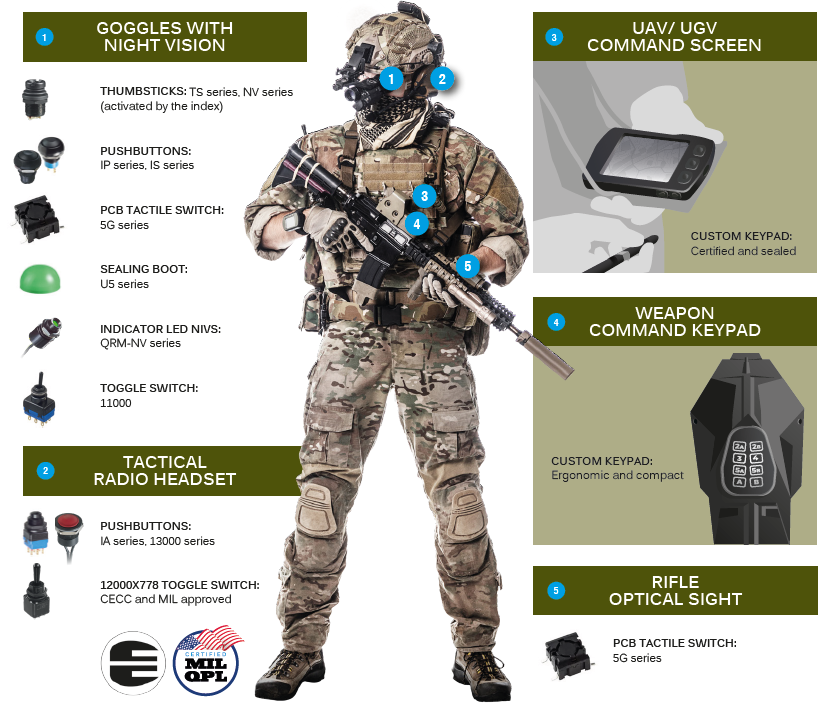
Modern soldier systems have evolved into highly integrated technological ecosystems. Beyond protection and firepower, today’s equipment incorporates advanced Human-Machine Interfaces (HMIs) that enable seamless interaction with communication systems, weapon platforms, and autonomous vehicles. In operational environments where milliseconds matter, the interface becomes a decisive factor. A soldier must interact with multiple systems, often simultaneously, while under stress, fatigue, and environmental constraints. Control interfaces must therefore combine lightweight design, extreme durability, intuitive operation, and ergonomic integration.
Key elements of soldier systems with integrated HMI capabilities
Night vision goggles and optical systems
Night vision systems are critical for modern combat operations, enabling soldiers to operate effectively in low-light or zero-light conditions. However, their performance depends heavily on the embedded HMI.
Operators must adjust settings such as brightness, zoom, or targeting parameters without diverting attention from their surroundings. This requires:
Thumbsticks (TS and NV series) for precise, multi-axis control
PCB tactile switches (5G series) for quick and reliable input
NVIS-compliant LED indicators (QRM-NV series) to ensure visibility without compromising stealth
The challenge lies in enabling fine control with minimal movement, allowing soldiers to maintain situational awareness. Integration must also remain compact and unobtrusive, as highlighted in the equipment layout on page 1 of the document.
Tactical radio headsets
Communication is the cornerstone of coordinated operations. Tactical radio headsets integrate HMIs that must guarantee instant and error-free interaction, even in chaotic environments. Key interface components include:
Pushbuttons (IA and 13000 series) for immediate activation
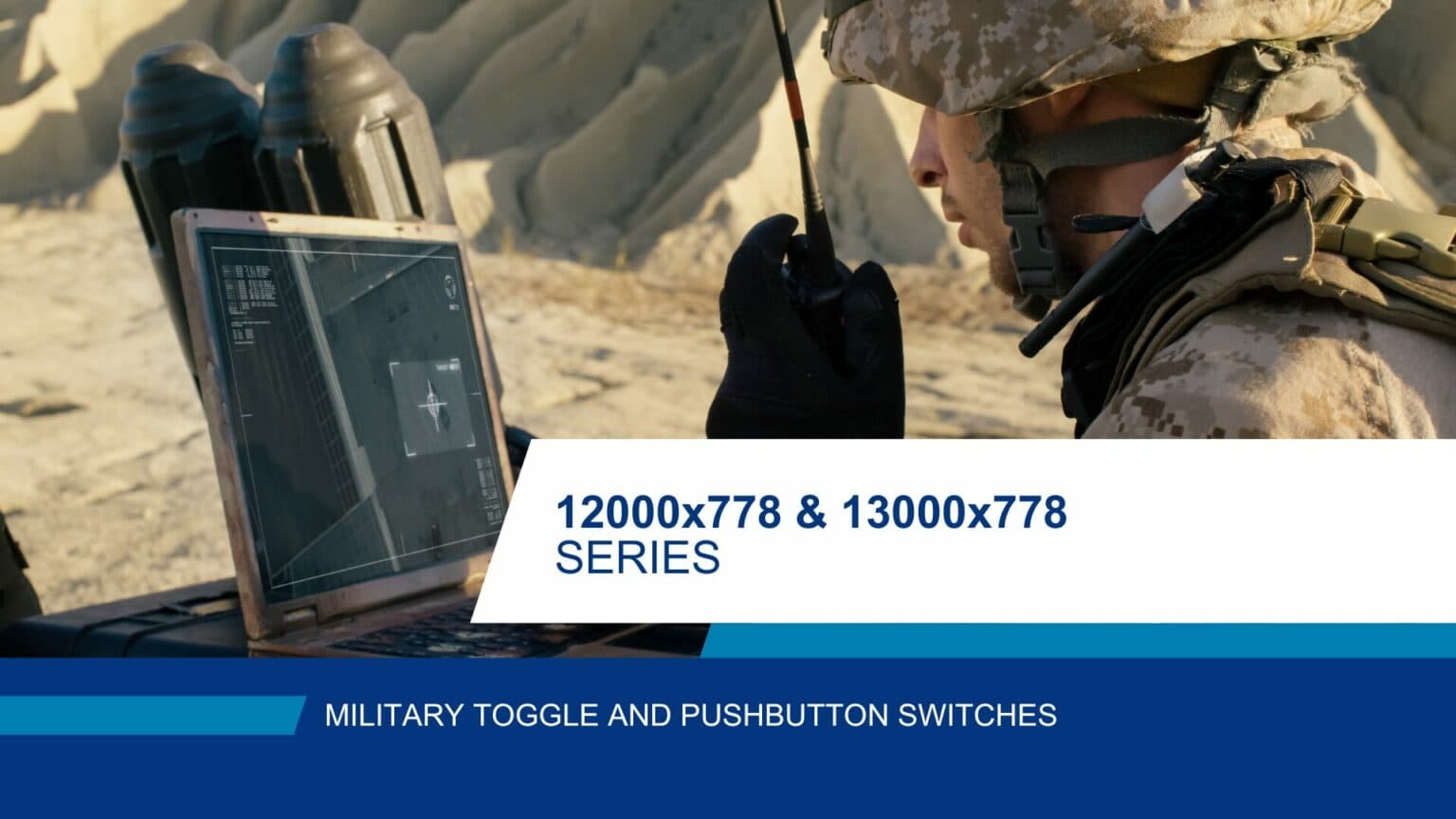
MIL-approved toggle switches (12000X778) ensuring compliance with defense standards
Clear tactile feedback to confirm activation without visual confirmation
In high-noise or high-stress scenarios, soldiers cannot rely on visual cues. The interface must be intuitive and distinguishable by touch alone, enabling blind operation.
Weapon command keypads
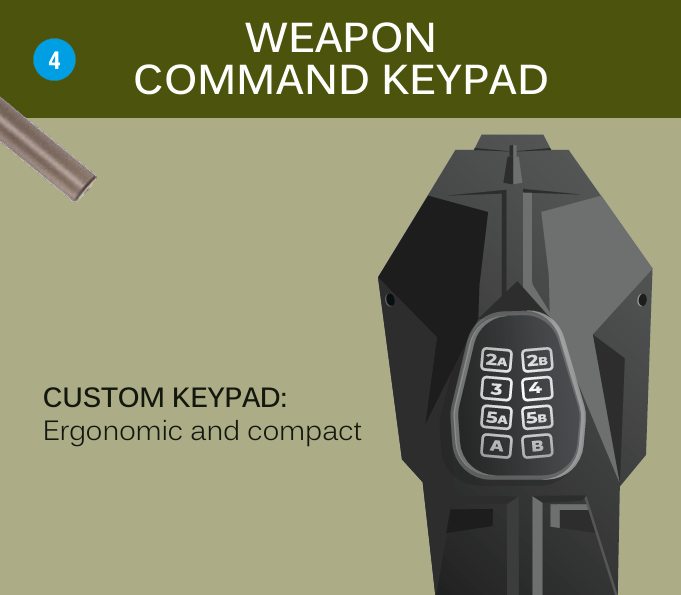
Weapon-mounted HMIs represent one of the most critical interaction points. These systems must allow soldiers to control firing modes, targeting systems, or auxiliary functions without compromising grip or stability.
Custom keypads are designed to:
Fit naturally within the weapon architecture
Provide ergonomic access using the index finger
Deliver fast, unambiguous input recognition
Their compact and sealed design ensures resistance to contaminants such as dust, mud, or water, while maintaining precision. This integration is essential to ensure that the interface does not interfere with weapon handling or accuracy.
💡EXPERT INSIGHT
Our standard stack-up architecture integrates adhesives, metallic snap domes, and elastomeric membranes in order to minimize overall assembly thickness while maintaining functional reliability. The combined use of snap domes and elastomeric membranes provides a broad design envelope in terms of actuation force, tactile response, and key geometry, allowing customization to meet specific application constraints. Adhesive and elastomer materials also contribute to environmental protection, enabling effective sealing and compliance with dust-ingress protection requirements.
UAV / UGV command screens
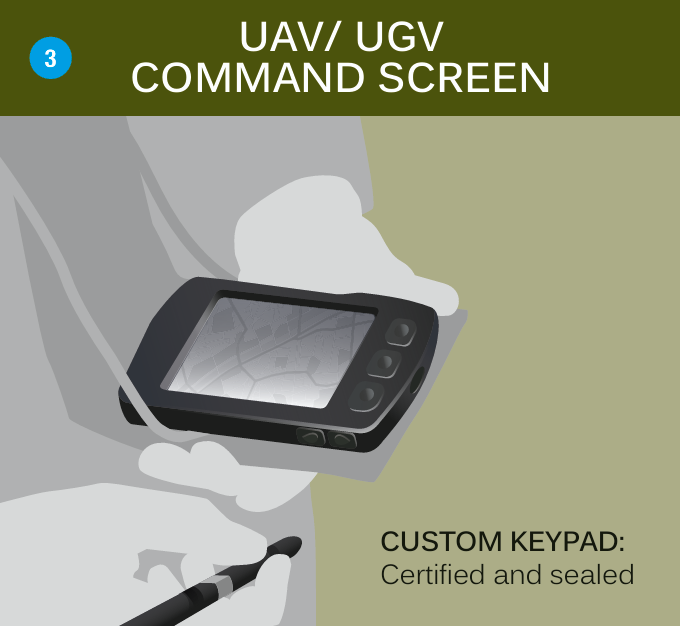
The increasing use of unmanned systems introduces new HMI challenges. Soldiers must control UAVs or UGVs using portable command units that combine displays with physical interfaces. These display systems rely on:
Certified and sealed custom keypads
Hybrid interfaces combining touchscreens and physical controls
Navigation tools ensuring precision and responsiveness
Unlike consumer-grade interfaces, military HMIs must remain functional in extreme conditions and offer redundancy. Physical controls are often preferred alongside touchscreens to ensure usability with gloves or in wet environments.
💡EXPERT INSIGHT
For UAV and UGV command interfaces, elastomer-based solutions are also well suited for low-profile, secondary command inputs where space constraints are critical. When the available volume is less restrictive, the integration of additional electromechanical components, such as toggle switches, backlit push buttons, or safety-related actuators, can be considered to enhance command differentiation, operational safety, and overall ergonomic efficiency of the user interface.
Core requirements for military HMI systems
1. Ruggedness and environmental resistance
Military environments subject equipment to extreme stress, including shocks, vibrations, dust, humidity, salt spray, and temperature variations. APEM HMIs are engineered to withstand these conditions, offering high sealing levels up to IP67 and IP69K while maintaining consistent performance through robust materials and reinforced internal structures.
2. Glove-friendly operation
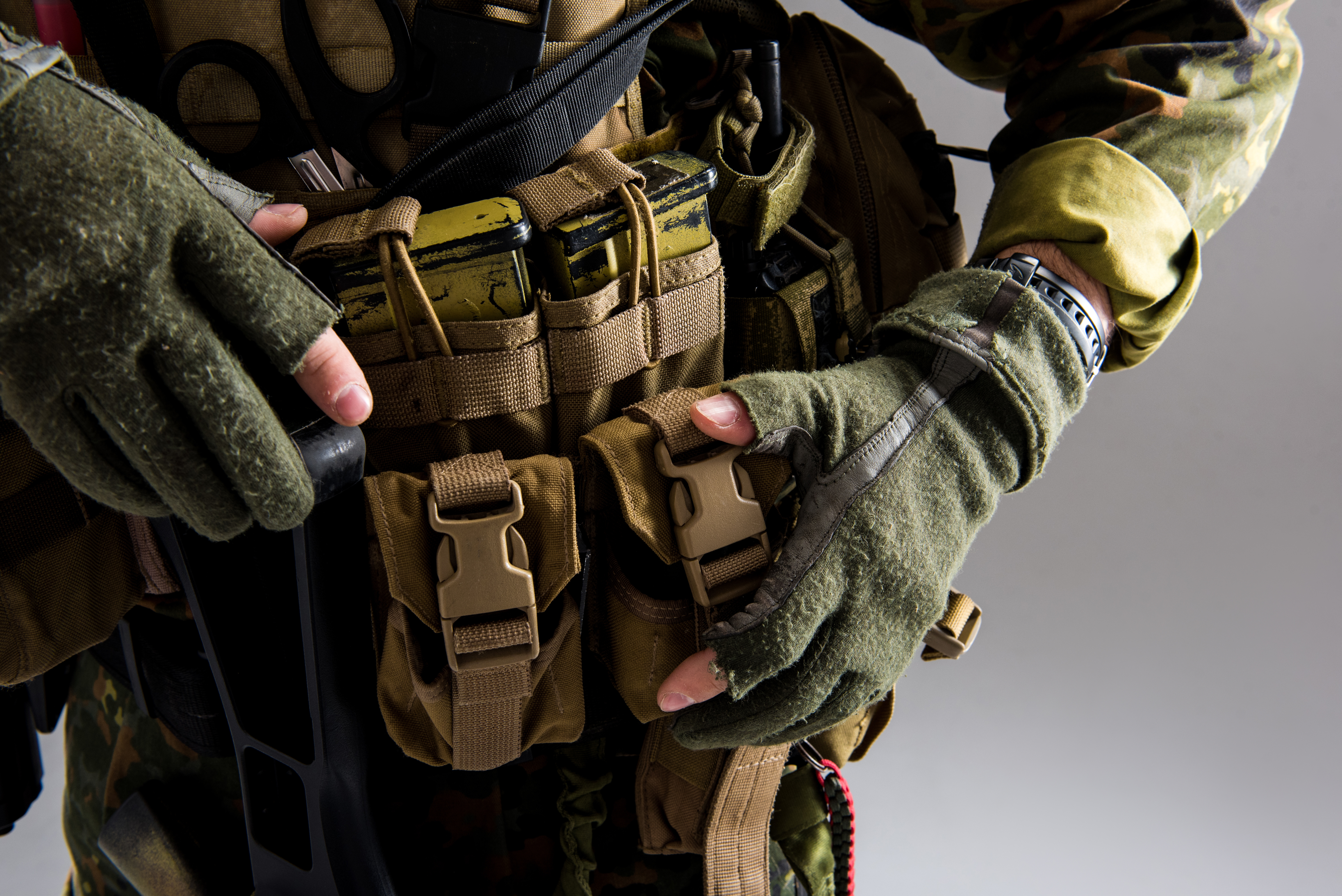
Since soldiers operate with protective gloves that reduce tactile sensitivity, HMIs must ensure precise interaction through optimized actuation force, clearly defined actuators, and strong tactile feedback, enabling reliable and error-free operation without compromising safety or efficiency.
3. Intuitive and stress-free interaction
In high-pressure combat situations, HMIs must minimize cognitive load by providing intuitive layouts, immediate feedback, and simplified interactions, allowing soldiers to make fast, accurate decisions without hesitation, which is essential to maintaining operational effectiveness.
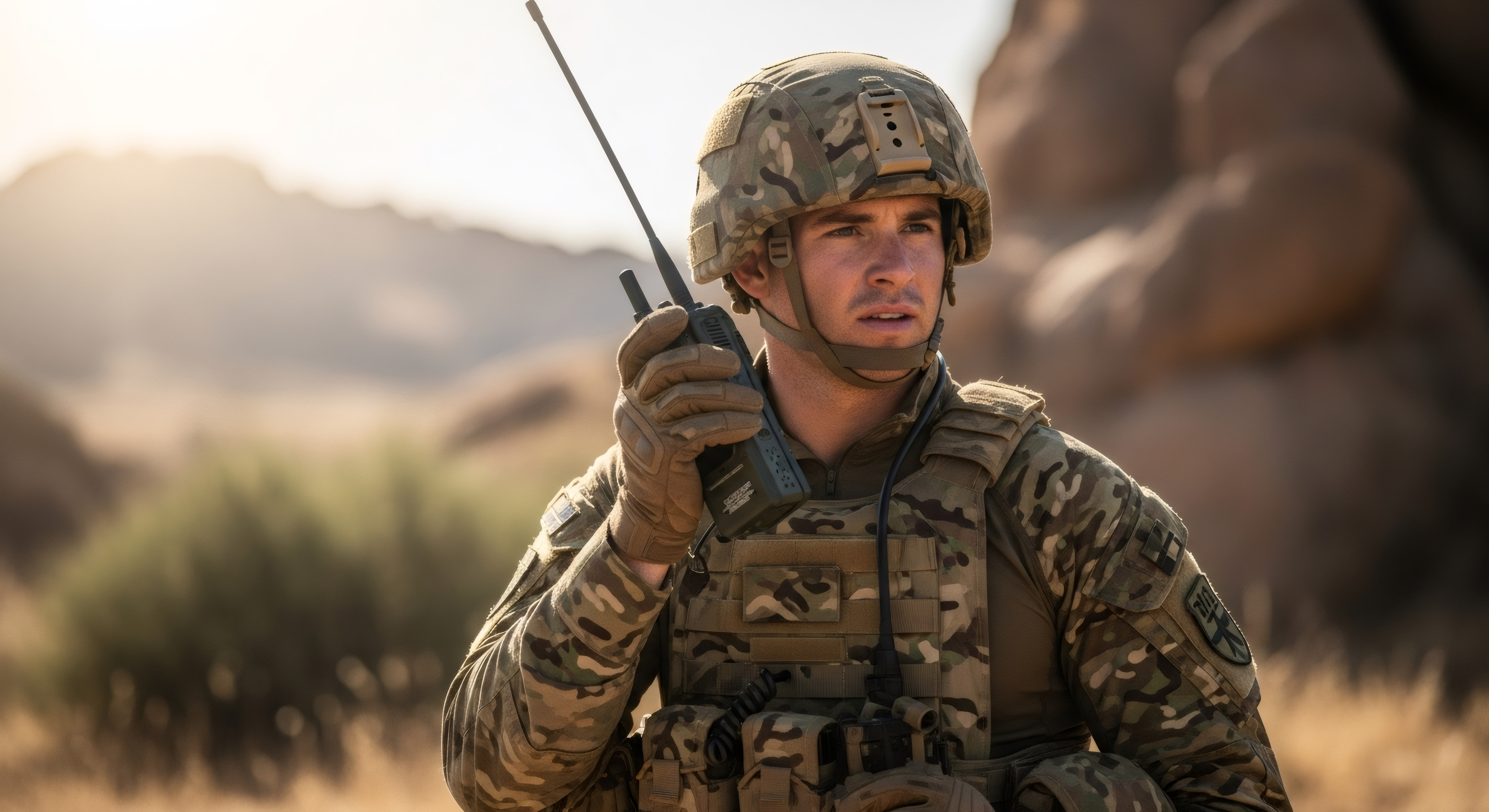
4. Compact and lightweight integration
To preserve mobility and endurance, HMIs must be compact and lightweight, featuring low-profile designs that integrate seamlessly into equipment while remaining discreet and unobtrusive, ensuring they do not interfere with movement or operational visibility.
Come see our solutions in action at Eurosatory
Join us at Eurosatory to discover firsthand how high-quality HMI design enhances soldier effectiveness. The quality of HMI design directly impacts operational performance by enabling faster reaction times, reducing cognitive load, improving accuracy, and enhancing situational awareness. Poorly designed interfaces, on the other hand, can lead to delays, errors, and increased operational risks. At our stand, you will be able to explore all the components and solutions presented in this article, experience their robustness and ergonomics, and see how intuitive design contributes to mission success in the most demanding environments.
Our experts will be on site to answer your questions, discuss your specific requirements, and help you develop HMI solutions tailored to your operational constraints.

If you are unable to join us at Eurosatory, you can still connect with us and discover our solutions. Simply fill out the form below to get in touch and schedule a meeting with our team. Our experts will be happy to discuss your needs, answer your questions, and explore how our HMI solutions can support your operational requirements.
Sign up to receive our newsletter, emails about special offers, updates and new releases.

Get the help and resources you need quickly with APEM
If you have questions or suggestions, we’re here to listen.
Our sales and support set the standard for helping you.
All the technical documentation you need to make things work...