
News
Welcome to APEM’s newsroom – your gateway to all the latest updates from our world of Human-Machine Interfaces. Whether it’s product launches, deep dives into advanced technologies, insights into evolving market trends, or answers to frequently asked questions, this space is designed to keep you informed and inspired.
Featured Posts
APEM News
Filter
Sort
 NewsRead More
COMPANY
13/09/2024
APEM at EDS 2024: experience the future of HMI technology
APEM, will be exhibiting at this year’s Engineering Design Show (EDS). The event will be held at the CBS Arena Coventry. In the heart of one of the UKs manufacturing centres. This event provides an opportunity for professionals across various industries to explore the latest technological advancements and innovations from APEM, MEC & IDEC. ABOUT THE ENGINEERING DESIGN SHOW 2024 Returning on the 9-10 of October, it is THE show for design engineers looking for direct access to the latest products, services, and innovations available to the sector. Visitors can explore hundreds of UK and international suppliers, from CAD software, product design, mechanical design and more. Alongside the exhibition, a free-to-attend conference and workshops will provide topical content on the challenges, pain points and opportunities for the engineering sector. MEET APEM AT STAND K52 Visit us at EDS Coventry Arena Stand K52 on the 9 th or 10 th of October 2024 the colleagues of the APEM UK team are waiting for you! To make the most of your visit! we encourage you to book a meeting with one of our APEM experts in advance, ensuring personalized attention to your needs. Register using this link for free access to the Exhibition. Contact Us DISCOVER APEM’S LATEST HMI INNOVATIONS AT EDS CBS ARENA COVENTRY APEM will be exhibiting several of their latest products, including: KW2D Series from IDEC : a smart RFID tag reader increases tracking, security, access levels, and productivity of applications APEM XP Joystick : A new high-precision joystick suitable for heavy-duty environments, offering enhanced control for applications such as construction machinery and military vehicles. PS5R-V and PS3V Series Din Rail and Chassis mount power supplies from IDEC. 12000×778 Series High performance panel mount toggle switches for robust industrial and Military applications. Meet APEM at EDS 2024: Innovations in HMI Tech Discover APEM's latest HMI innovations at EDS 2024. Experience cutting-edge technology firsthand at Stand K52, Oct 9-10.
 NewsRead More
TREND
03/09/2024
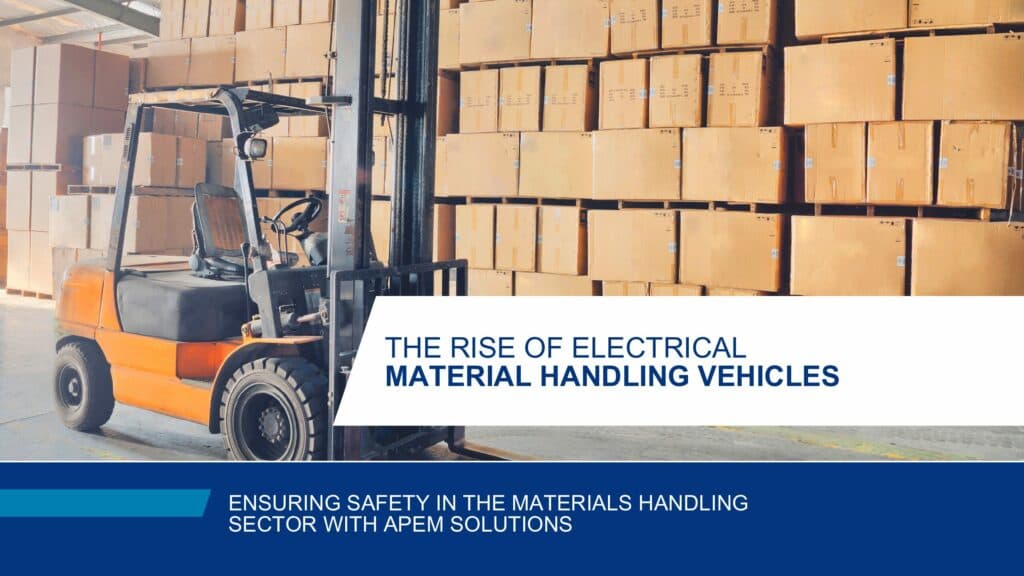
Electric material handler: what APEM HMI solutions are available?
With a growing focus on sustainability, the growth of electric industrial vehicles has become a significant trend within the logistics and warehousing sectors. This surge is propelled not only by the environmental benefits but also by the evolving legislative framework. As seen in recent regulations like California’s push to phase out non-zero-emission forklifts by 2026, these legislations underscore the growing commitment to reducing carbon footprints across industries.
 NewsRead More
COMPANY
28/08/2024
APEM to showcase HMI Solutions at WoTS 2024 in Utrecht
Contact Us ABOUT WOTS WOTS is a premier trade fair in the Netherlands, held at the Jaarbeurs in Utrecht. It focuses on key sectors like industrial automation and electronics, offering you a chance to explore the latest innovations. With five specialized exhibition areas, WOTS provides a platform for networking, discovering new technologies, and attending live demonstrations. It’s the ideal event for professionals looking to stay ahead in technology and science. Learn More APEM, in collaboration with IDEC , will be participating in the 24th edition of the World of Technology & Science (WOTS) exhibition . The event is scheduled to take place at the Jaarbeurs in Utrecht from September 24 to 27, 2024. This event provides an opportunity for professionals across various industries to explore the latest technological advancements and innovations. MEET APEM & IDEC AT BOOTH 11A032 Come to our booth 11A032 at WOTS 2024 on 24, 25, 26 and/or 27 September in the Jaarbeurs in Utrecht , the colleagues of the APEM Benelux team are waiting for you! Visitors to our stand also have a chance to win a nice surprise. To make the most of your visit, we encourage you to book a meeting with one of our APEM experts from Benelux in advance, ensuring personalized attention to your needs. Register using this link for free access to the fair. DISCOVER APEM’S LATEST HMI INNOVATIONS AT WOTS 2024 IN UTRECHT APEM and IDEC will be presenting several of their latest products, including: IDEC FT2J : A 7-inch PCAP (Projected Capacitive) Touchscreen with an integrated PLC, designed for reliable performance in industrial applications. APEM XP Joystick : A new high-precision joystick suitable for heavy-duty environments, offering enhanced control for applications such as construction machinery and military vehicles. ez-Wheel AGV Solutions : Solutions for Automated Guided Vehicles (AGVs), aimed at improving operational efficiency. WOTS 2024: APEM to showcase HMI solutions in Utrecht Discover APEM's latest HMI solutions at WOTS 2024 in Utrecht. Visit us at booth 11A032 to see live product demo and meet our Benelux team.
 FAQRead More
FAQ
21/08/2024
What is the difference between water resistant and waterproof material?
“Waterproof", “water-resistant” or “watertight” refer to the degree to which a material can resist the penetration of water. However, there’s a significant difference in how much water exposure they can handle. Understanding the nuances is key for selecting the right HMI. These distinctions help determine how well an HMI can handle water, from heavy washdowns in food processing to occasional splashes in labs, ensuring you choose a device that meets operational needs and withstands environmental conditions effectively.
 NewsRead More
TREND
05/07/2024
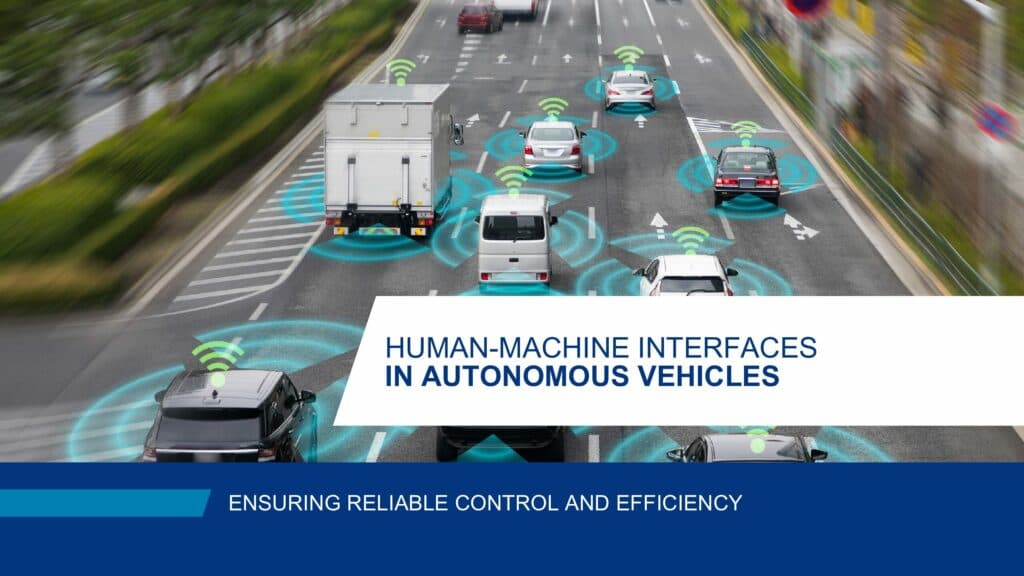
Human-machine interfaces significantly influence the development of autonomous vehicles
The transition to connected vehicles is gaining momentum, propelled by advancements in technology and increasing demand for safer, more efficient transportation options. This shift promises significant benefits, including reduced traffic congestion, lower emissions, and fewer accidents caused by human error. As industries and governments invest in these technologies, autonomous vehicles are poised to revolutionize the way we commute, delivering a smarter, cleaner, and more sustainable future of transportation for road travel.
 NewsRead More
PRODUCT
04/07/2024
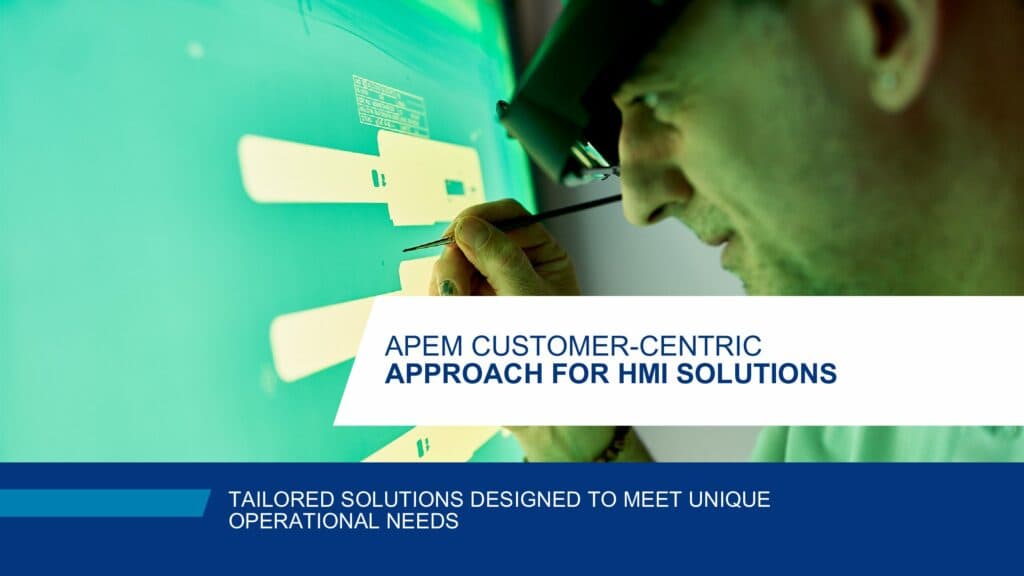
A customer-centric approach with HMI solution controls
What is a customer-centric approach? Customer centricity designates products and services that closely match the needs of customers and preferences by placing them at the heart of all project decisions. APEM has exemplified this approach through its partnerships with customers to foster a customer-centric culture that prioritizes tailor-made HMI solutions.
 FAQRead More
FAQ
13/06/2024
What is the difference between a momentary and a latching switch?
One of the most fundamental yet often underestimated components in a circuit is the switch. Two distinct types exist: latching switches and momentary switches, each serving specific applications due to their unique operation. Whether your project requires brief, intermittent connections or stable, persistent ones, select the switch that best suits your specific needs.
 NewsRead More
PRODUCT
30/05/2024
Night vision: how do these devices and technologies work?
In poor lighting conditions, our eyes struggle to distinguish details, making it difficult for us to see what’s around us. This challenge is even greater when we are tired or stressed, as our vision becomes even less reliable.
 NewsRead More
PRODUCT
15/05/2024
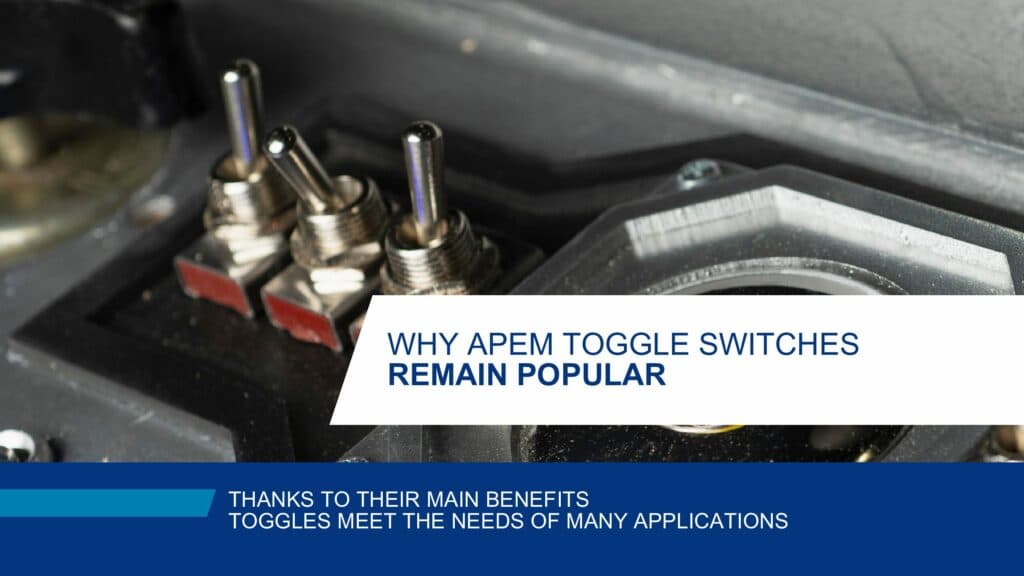
Why are toggle switches still being used in many applications?
What are the most common applications for toggles? Speaking of versatility, our team of experts has provided a single solution to meet the needs of vastly different applications : Control panels Belly boxes Crane operator control panels Remote controls Construction equipment Material handling machinery… …and many more For low intensity applications, we have the PCB-mounted toggle switches which is in a smaller format. They are also a wise choice when your control panel requires many switches to control electronics. Installation with the circuit board simplifies assembly and improves safety, as there is only one connector to plug in. PCB switches are often more compact than panel switches, making them an excellent choice when space is limited. This human-machine interface uses a mechanical lever or handle mechanism to activate the switch. They can have two to three positions. The latching version gives the operator an easy visual indication of the switch’s status, providing additional safety. With these various features, toggle switches are very popular products offering several benefits to their users. At the beginning of the 20th century, many innovations related to electricity were patented due to the rapid development in this field. In 1916, toggle switches were created. The success of this product led to further innovations and in the 1950’s, APEM was created thanks to a specific patent to improve the life expectancy of toggle switches. A success that has not been forgotten, toggle switches remain as one of our most popular product lines today! For low intensity applications For low intensity applications, we have the PCB-mounted toggle switches which is in a smaller format. They are also a wise choice when your control panel requires many switches to control electronics. Installation with the circuit board simplifies assembly and improves safety, as there is only one connector to plug in. PCB switches are often more compact than panel switches, making them an excellent choice when space is limited. This human-machine interface uses a mechanical lever or handle mechanism to activate the switch. They can have two to three positions. The latching version gives the operator an easy visual indication of the switch’s status, providing additional safety. With these various features, toggle switches are very popular products offering several benefits to their users. Discover our range of toggle switches : 5000 series What are the different types of toggle switches? At APEM, we offer various types of toggles. Our most common form of this is the toggle switch panel . With this, several options can be integrated, such as: 3 or 4 positions, momentary or alternate – your switch can be held down or return to its original state after being released – and protected by our guards or sealing boots accessories. Thanks to numerous rating, sealing, and lever finish options, APEM provides robust toggles for any application and offers the reliability of worldwide recognized certifications such as CECC, UL, CSA, VDE, NF. What are the most common applications for toggles? Speaking of versatility, our team of experts has provided a single solution to meet the needs of vastly different applications : Control panels Belly boxes Crane operator control panels Remote controls Construction equipment Material handling machinery… …and many more What are the different types of toggle switches? At APEM, we offer various types of toggles. Our most common form of this is the toggle switch panel . With this, several options can be integrated, such as: 3 or 4 positions, momentary or alternate – your switch can be held down or return to its original state after being released – and protected by our guards or sealing boots accessories. Thanks to numerous rating, sealing, and lever finish options, APEM provides robust toggles for any application and offers the reliability of worldwide recognized certifications such as CECC, UL, CSA, VDE, NF. Interestingly, this solution has transcended its usual function to become a decorative object Interestingly, this solution has transcended its usual function to become a decorative object, particularly sought after for industrial design enthusiasts looking to infuse their homes with a touch of style. Fun fact: they became very popular on platforms like Pinterest during the COVID-19 crisis, showcasing their enduring appeal and versatility. Why are we still using toggle switches? Why are they so popular? To be indispensable in various applications, APEM toggles offer many advantages to meet different needs. One of these is the clear command status when the lever is tilted to one side or the other. This allows the operator to immediately check the toggle position at a glance without effort. In addition, their ergonomic design can be tailored to provide a seamless user experience, enabling blind operation with ease. With a plethora of safety options such as lockers and switch guards, toggles ensure secure operation, especially in critical and hazardous environments. Above all, knowing their long lifespan and watertight contacts, their reliability and robustness are unmatched, making them the ideal solution for outdoor use. Discover our range of toggle switches : 600series 5000 Series 3500 Series CT Series 12000 Series CT flat case series Interestingly, this solution has transcended its usual function to become a decorative object, particularly sought after for industrial design enthusiasts looking to infuse their homes with a touch of style. Fun fact: they became very popular on platforms like Pinterest during the COVID-19 crisis, showcasing their enduring appeal and versatility. Why are we still using toggle switches? Why are they so popular? To be indispensable in various applications, APEM toggles offer many advantages to meet different needs. One of these is the clear command status when the lever is tilted to one side or the other. This allows the operator to immediately check the toggle position at a glance without effort. In addition, their ergonomic design can be tailored to provide a seamless user experience, enabling blind operation with ease. With a plethora of safety options such as lockers and switch guards, toggles ensure secure operation, especially in critical and hazardous environments. Above all, knowing their long lifespan and watertight contacts, their reliability and robustness are unmatched, making them the ideal solution for outdoor use.
 NewsRead More
PRODUCT
02/05/2024
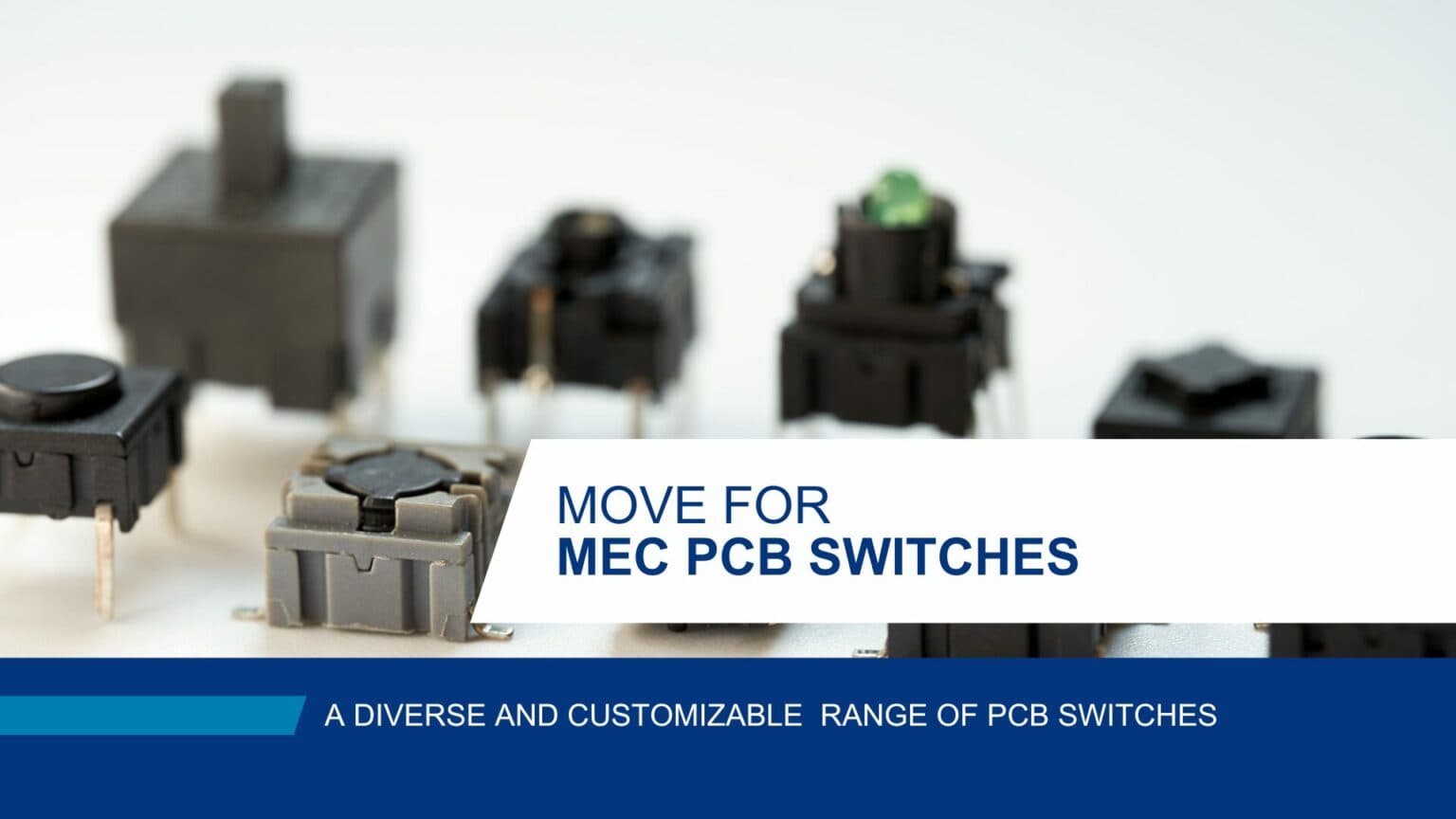
Are you working on a new project, or looking to replace one of those low value tactile pushbuttons that are simply not working for long enough, are proving to be too unreliable or don’t have the haptic or the illumination you need? You definitely should have a look at our MEC range!
 NewsRead More
TREND
09/04/2024
Complete guide to Control Panels design strategies and environmental protection
Industrial control panels play an important role in vehicles and machines in the agriculture , construction and medical fields . However, these interfaces are exposed to a wide range of environmental challenges that can impact their functionality, longevity and safety. Understanding these challenges is crucial when designing resilient and reliable control panels.
 NewsRead More
PRODUCT
08/04/2024
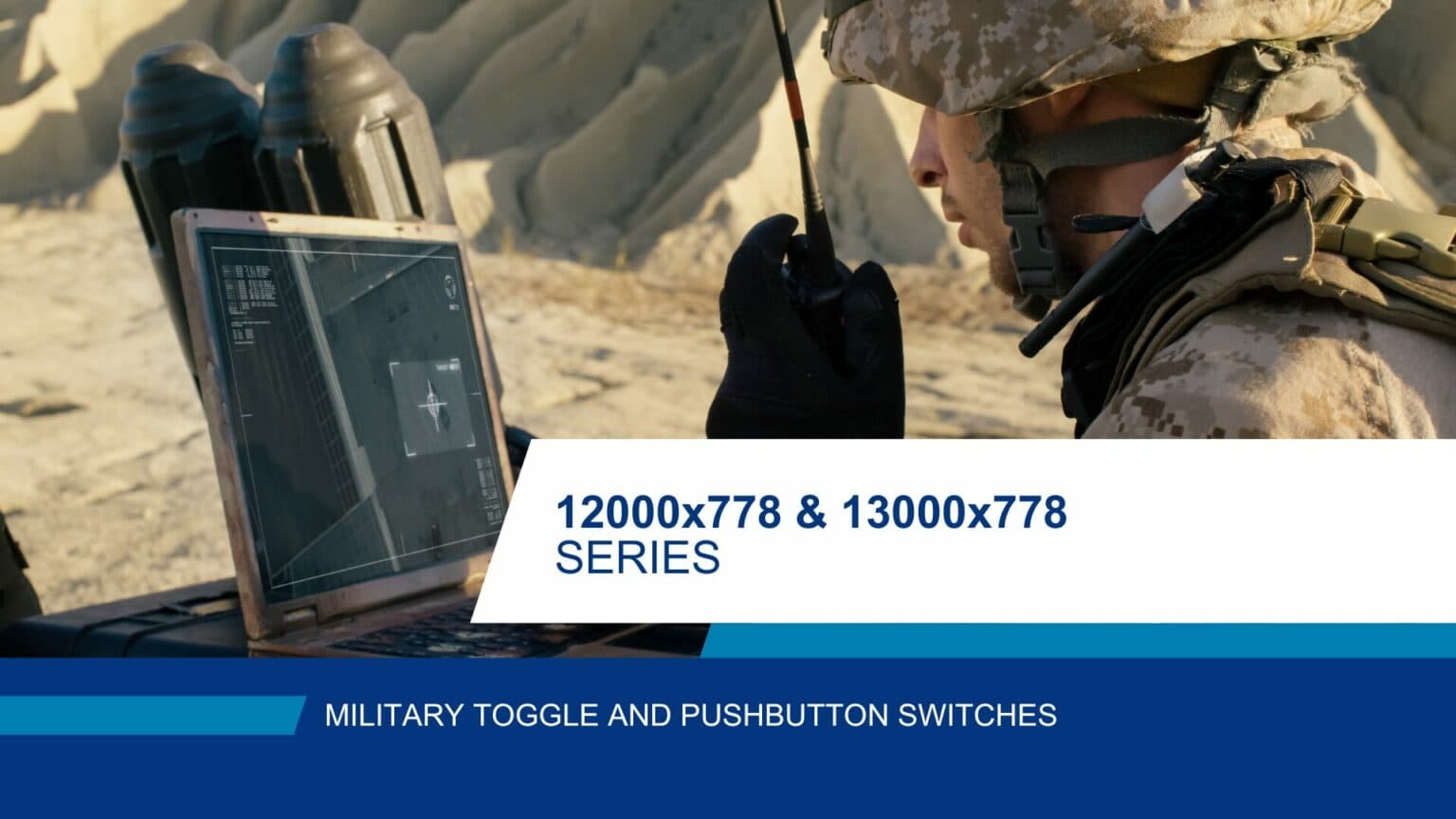
Toggle and pushbutton switches certified for tough military operations
In the military sector, each component matters, and reliability is crucial. Certified toggle switches and pushbuttons play an important role in ensuring reliable performance in the most demanding environments. These solutions not only meet the strictest quality standards but also offer the durability and robustness required in the most critical military applications.
Browse our other content
Events/Seminars
Explore upcoming events and seminars to connect, learn, and engage with us.
Resources
Download product materials, specs, and catalog to support your business needs.
Industries
Learn how APEM drives innovation across industries with advanced technologies.
Capabilities
Explore APEM’s capabilities designed to solve industry-specific challenges.
Get the help and resources you need quickly with APEM
If you have questions or suggestions, we're here to listen.
Our sales and support set the standard for helping you.
All the technical documentation you need to make things work...