
Synapse: the adaptive joystick concept for next-generation defense systems
Date: 05/06/2026
As military vehicles evolve, shouldn’t their controls adapt too?
Modern defense platforms are changing rapidly. Remote weapon stations, unmanned ground vehicles (UGVs), autonomous naval vessels, and drone deployment systems are becoming increasingly common across military operations.
The future of the battlefield is one in which operators are no longer physically present inside the vehicles they control. Instead, they manage remote platforms, supervise autonomous systems, or coordinate multiple vehicles simultaneously. This evolution creates new challenges for human-machine interaction.
Traditional joystick designs offer fixed sensitivity and response characteristics. However, modern missions are rarely fixed. Operators face different terrains, mission profiles, vehicle behaviors, and operational objectives throughout a single deployment.
This is where adaptive control concepts such as APEM’s Synapse can redefine the operator experience.
The rise of teleoperation in defense systems
Teleoperation is becoming a fundamental capability across defense applications.
Remote control technologies are increasingly used for:
Remote Weapon Stations (RWS)
Unmanned Ground Vehicles (UGVs)
Unmanned Aerial Vehicles (UAVs)
Drone deployment and supervision systems
Unmanned naval vessels
Border surveillance and security platforms
Multi-vehicle command systems
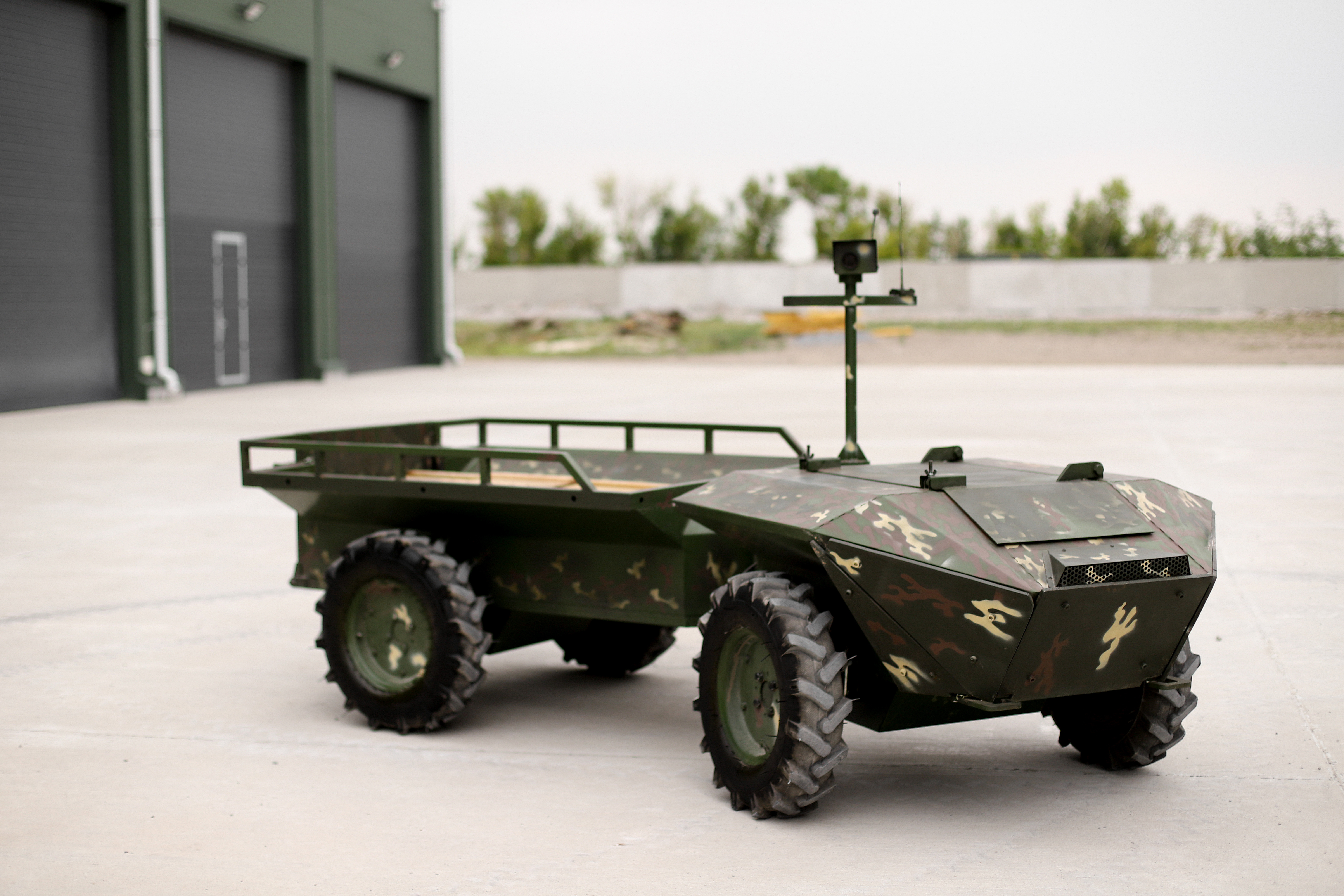
The military trend is clear: a single operator may control multiple autonomous assets simultaneously while maintaining full situational awareness.
As autonomy increases, operators are expected to make fewer manual inputs but more critical decisions. The quality of the human-machine interface becomes essential.
💡Synapse in a nutshell
Synapse is APEM's adaptive joystick concept, designed to dynamically adjust control characteristics according to mission requirements and operating conditions. Unlike conventional joysticks with fixed behavior, Synapse can modify parameters such as sensitivity, response curves, deadband, damping, and force feedback based on inputs from the vehicle, operator, or mission system. By combining hardware and software intelligence, Synapse enables a single control device to deliver optimized performance for different tasks, from precision targeting and teleoperation to vehicle maneuvering and autonomous system supervision.
Adapting to mission requirements
Military operations can vary significantly from one scenario to another.
A reconnaissance mission may require extremely precise and deliberate movements, while a defensive engagement could demand rapid responses and aggressive maneuverability.
With an adaptive control philosophy, joystick behavior could be optimized according to:
Mission profile
Vehicle operating mode
Terrain conditions
Operator preferences
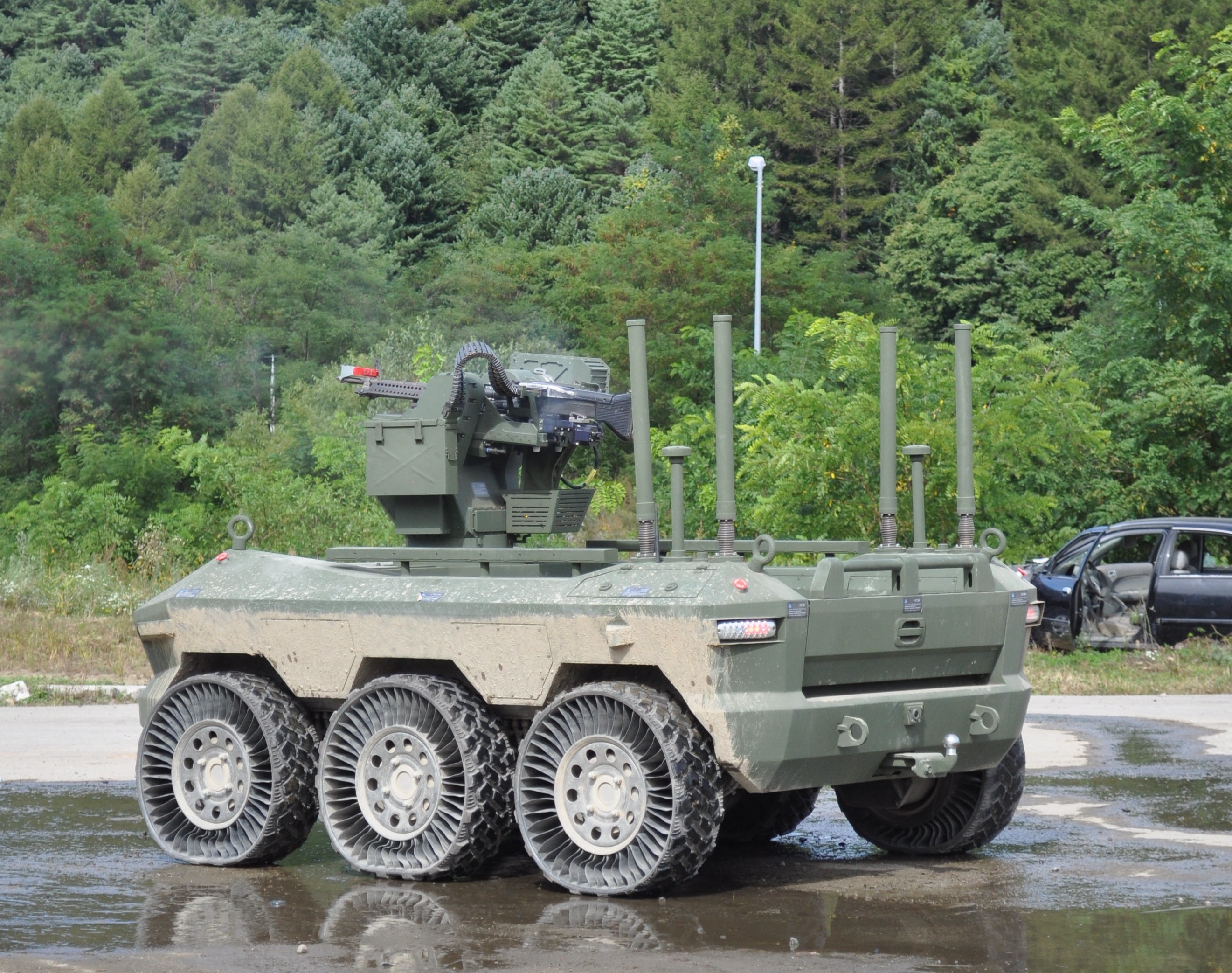
Benefits for remote weapon stations
Remote weapon stations place particularly demanding requirements on operator controls.
Precise targeting, smooth tracking, and long operating periods require interfaces that minimize fatigue while maximizing accuracy. An adaptive joystick concept could help by:
Manual control for maintenance or logistic operations
Improving targeting precision: Fine aiming operations benefit from high precision and reduced sensitivity, while rapid target acquisition may require faster response rates.
Reducing operator fatigue: Adjustable control profiles can improve comfort and reduce physical strain during prolonged missions.
Supporting training and skill development: Configurable joystick behavior allows training environments to be tailored to operator experience levels. Control profiles can be progressively adjusted as operators gain proficiency.
Enhancing Human-Machine collaboration: As autonomous and semi-autonomous systems become more prevalent, operators increasingly supervise rather than directly control every movement.
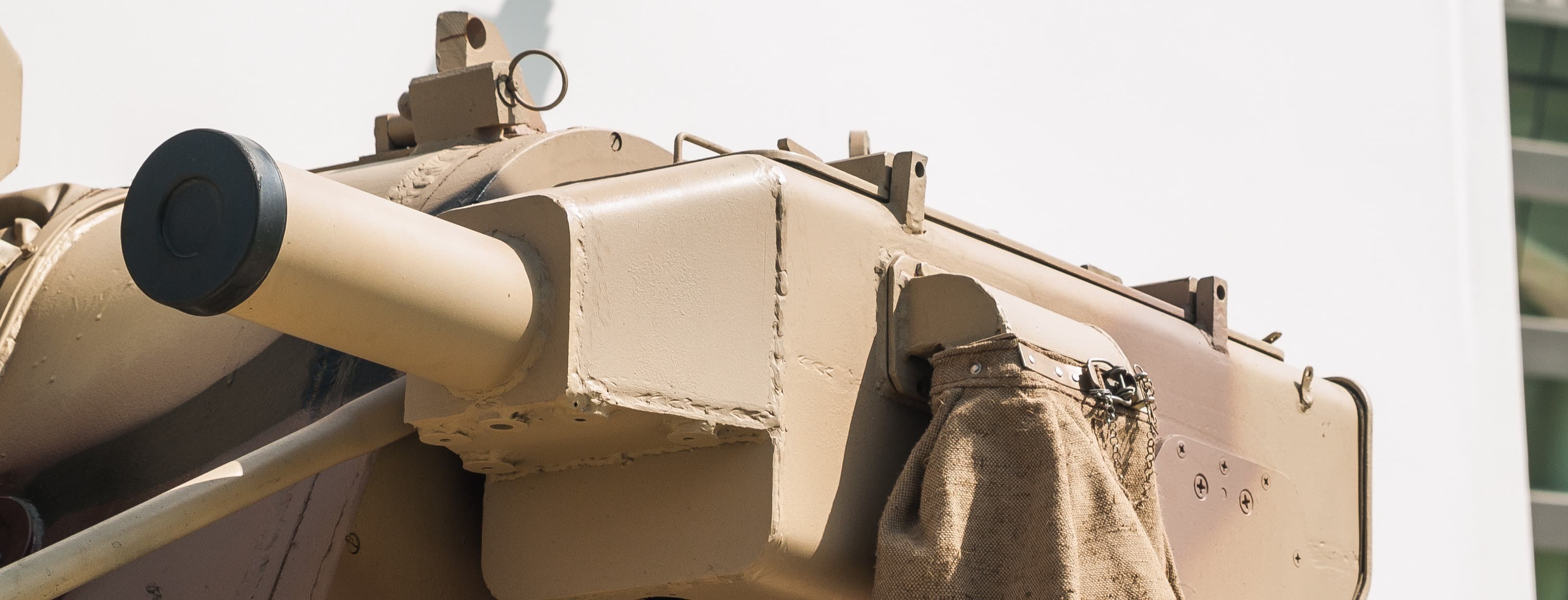
Supporting the future of autonomous military platforms
The next generation of defense vehicles will increasingly combine human supervision with autonomous capabilities.
Whether controlling a drone launched from an armored vehicle, managing an unmanned reconnaissance platform, or coordinating a fleet of autonomous systems, operators need intuitive interfaces that reduce cognitive workload.
Adaptive joystick concepts support this transition by helping operators focus on tactical decisions with:
Reduced cognitive load
Intuitive operation
Force feedback technologies
Ergonomic control solutions
Configurable operator interfaces
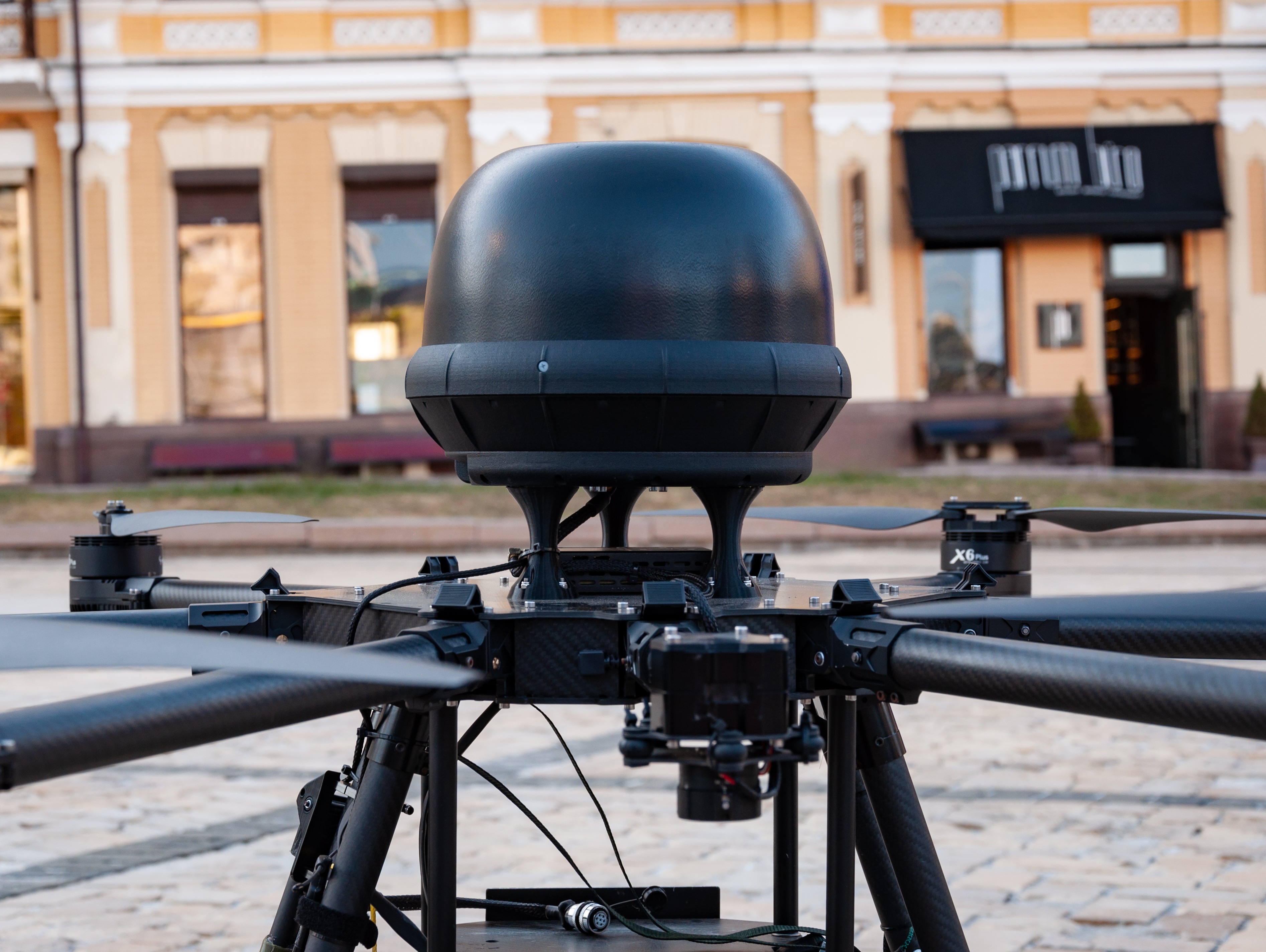
💡Synapse: APEM’s vision for tomorrow’s defense controls
As defense systems become more connected, autonomous, and remote-operated, human-machine interfaces must evolve accordingly. Synapse represents APEM’s vision for adaptive control technology, combining operator-centric design, intelligent responsiveness, and future-ready ergonomics.
By enabling controls that adapt to missions, vehicles, and operators, Synapse aims to support safer, more intuitive, and more effective interactions with next-generation defense platforms.
Experience Synapse at Eurosatory
MEET THE TEAM
Sign up to receive our newsletter, emails about special offers, updates and new releases.
You might be interested in this


Get the help and resources you need quickly with APEM
If you have questions or suggestions, we’re here to listen.
Our sales and support set the standard for helping you.
All the technical documentation you need to make things work...