
Simplifying CAN-based control systems in drilling equipment
Date: 01/07/2026
When a manufacturer of drilling and foundation equipment began evaluating new control solutions, it needed a product capable of meeting demanding integration and CAN communication requirements. Following the introduction of APEM's PKD series, the customer quickly recognized its potential. Through close technical collaboration and customization support, the PKD proved to be a strong fit for the application, creating a natural alignment between the customer's needs and the solution's capabilities.
Meeting the needs of modern drilling equipment
In the drilling and foundation industry, equipment operates in demanding environments. Operators must continuously interact with machine systems to adjust drilling parameters, control mast positioning, manage hydraulic functions, select operating modes, and monitor machine performance throughout the drilling process.
As machine architectures become increasingly sophisticated, these functions rely on seamless communication between the operator interface and the vehicle's electronic systems. At the same time, operators need intuitive controls that allow them to navigate machine settings, access diagnostics, acknowledge alarms, and make real-time adjustments without disrupting operations.
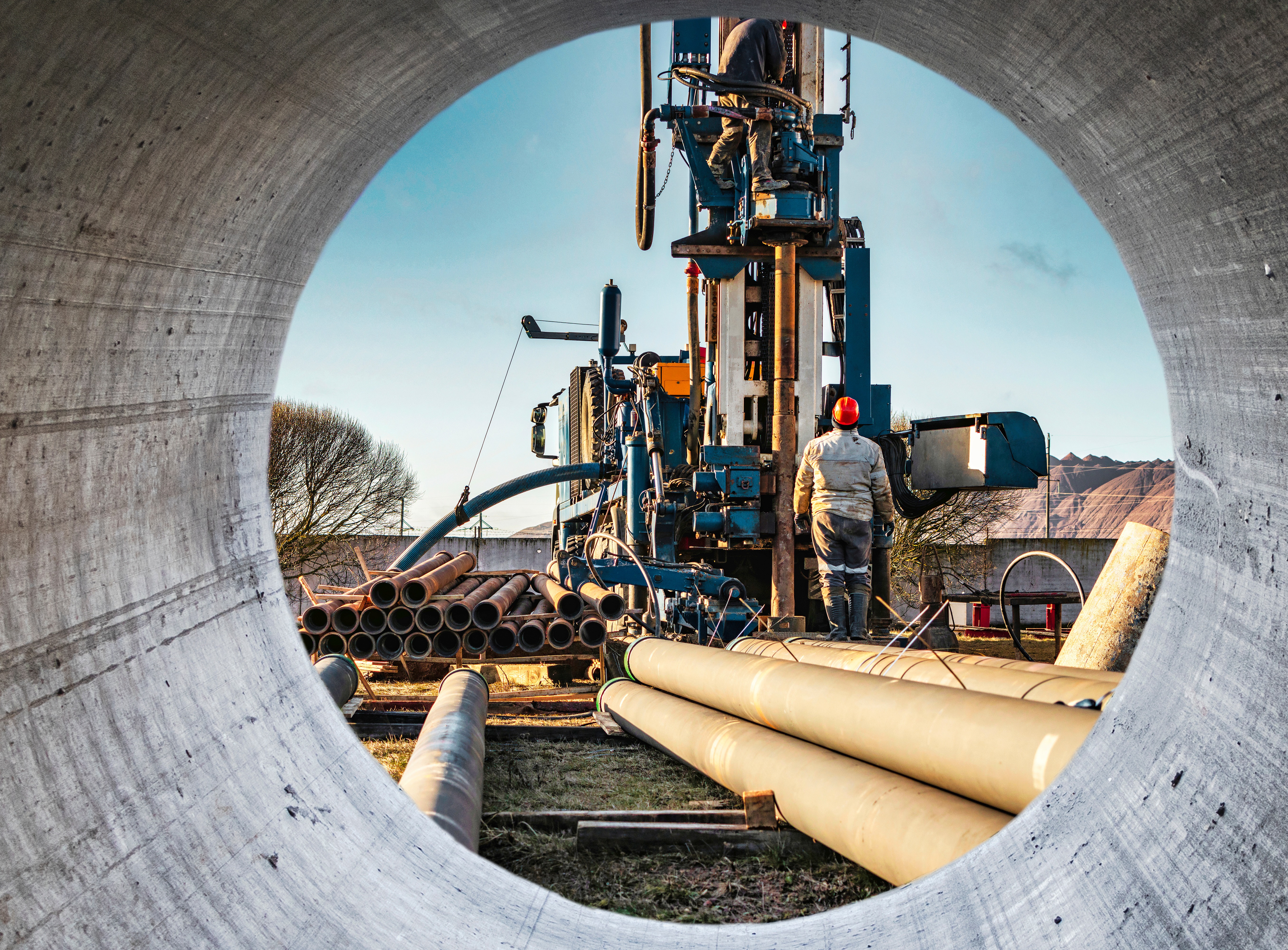
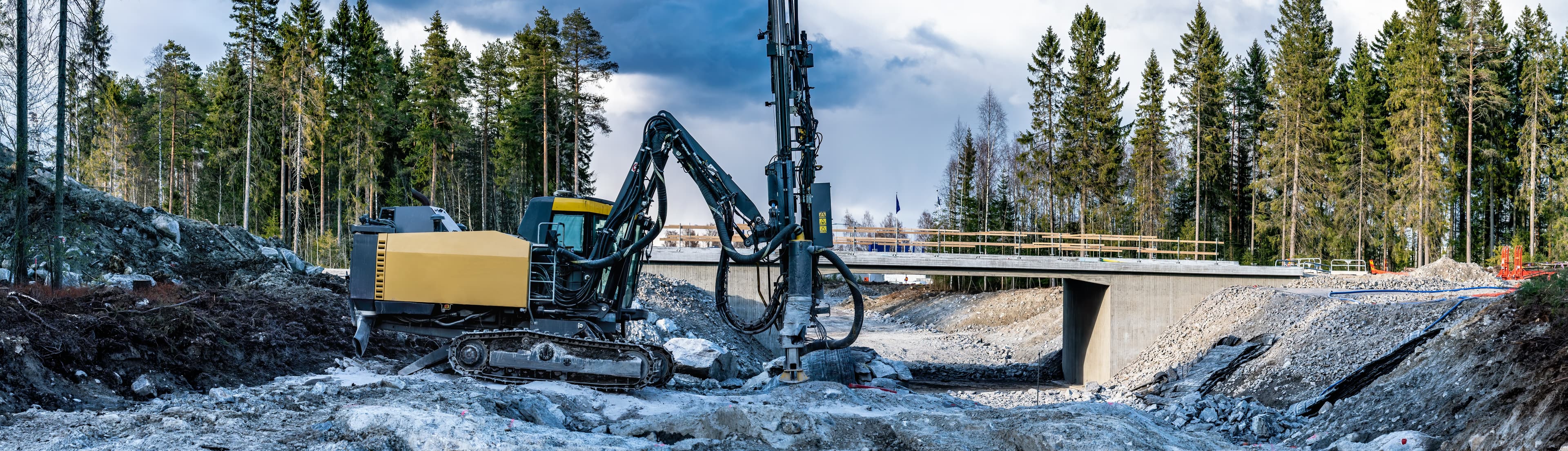
For this application, the customer was looking for a control solution capable of seamlessly integrating into its existing CAN-based architecture while providing a simple and efficient user experience. The solution also needed to withstand the harsh conditions typically encountered on drilling and foundation sites, including vibration, dust, moisture, and intensive daily use.
The challenges behind the project
Ensuring seamless CAN communication
One of the primary requirements was compatibility with the machine's CAN-based electronic architecture. The customer needed to be confident that the chosen solution would integrate smoothly into existing systems while supporting reliable communication across multiple machine functions.
During the evaluation process, significant attention was given to communication protocols, integration requirements, and technical implementation details.
Meeting tight development timelines
Project timing was another important consideration.
The engineering team required rapid access to technical information, sample products, and expert support to maintain development schedules and avoid delays during validation.
Supporting application-specific customization
The customer also required a degree of customization to ensure the control interface aligned perfectly with the machine's operating logic.
Particular attention was given to CAN configuration requirements, including specific adjustments related to LED indication behavior. This level of customization would be essential to achieving the desired user experience and system integration.
Why did the PKD stand out?
When the PKD series was introduced, the customer quickly identified its potential for the application.
Following an initial review of the product range, the engineering team requested a detailed presentation to better understand how the solution could address both operational and technical requirements. Discussions focused on key topics such as CAN communication, integration capabilities, delivery schedules, and customization possibilities.
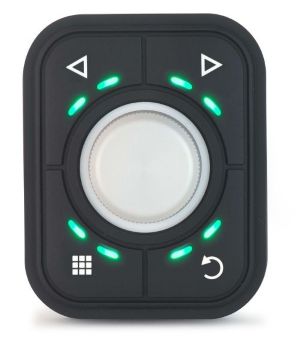
As technical exchanges progressed, it became clear that the PKD offered a strong match for the project's objectives. Combining a joystick, rotary encoder, and pushbutton into a single compact HMI, the PKD provided operators with centralized access to multiple machine functions while helping optimize dashboard space and simplify the user interface. Its embedded CANopen and J1939 protocols also ensured seamless integration with the machine's existing electronic architecture.
The series' flexibility further strengthened its appeal. Configurable RGB backlighting, customizable LED indicators, laser-etched icons, and multiple mounting options allowed the solution to be adapted to the customer's specific operational requirements.
Equally important for a drilling application, the PKD was designed to withstand harsh operating conditions. With IP67/IP69K sealing, UV resistance, an operating temperature range from -40°C to +70°C, and a mechanical life of up to 3 million operations, it offered the durability required for demanding outdoor environments.
Its combination of functionality, communication capabilities, and flexibility provided a practical answer to the challenges faced by the customer. More importantly, the solution could be adapted to meet specific application requirements without adding unnecessary complexity to the project.
💡Tip from Lorenzo - Sales
"What made this project particularly successful was the level of alignment between the customer's needs and the PKD's capabilities. Combined with fast technical responses and rapid sample delivery, it allowed the customer to validate the solution in just a few days and move forward with confidence."
Looking for the right control solution?
Successful projects are often driven by more than product specifications alone.
In this case, the combination of the PKD's capabilities and APEM's responsiveness enabled the customer to move quickly from evaluation to approval. Fast technical answers, efficient sample delivery, and the ability to accommodate specific CAN configuration requests all contributed to a smooth development process. The result was a successful implementation built on a simple principle: the right solution for the right customer at the right time.
👉 Do you have a project in mind? Contact our team to discuss your requirements and find the right control solution for your application.
Sign up to receive our newsletter, emails about special offers, updates and new releases.

PRODUCT
2025/06/24


Get the help and resources you need quickly with APEM
If you have questions or suggestions, we’re here to listen.
Our sales and support set the standard for helping you.
All the technical documentation you need to make things work...